Published by SMART
What do treatment systems do
Treatment systems improve water characteristics according to the source and intended use. Treatment stages differ for well water, drinking water and industrial water, and for the sediment, salts or contaminants present.
Technologies described in the company guide
- Sand filtration for suspended matter and sand, and activated carbon for chlorine, odors and some organic compounds.
- Reverse osmosis membranes for reducing dissolved salts in a system designed around water analysis.
- Ultraviolet disinfection and iron and manganese removal when required.
System components
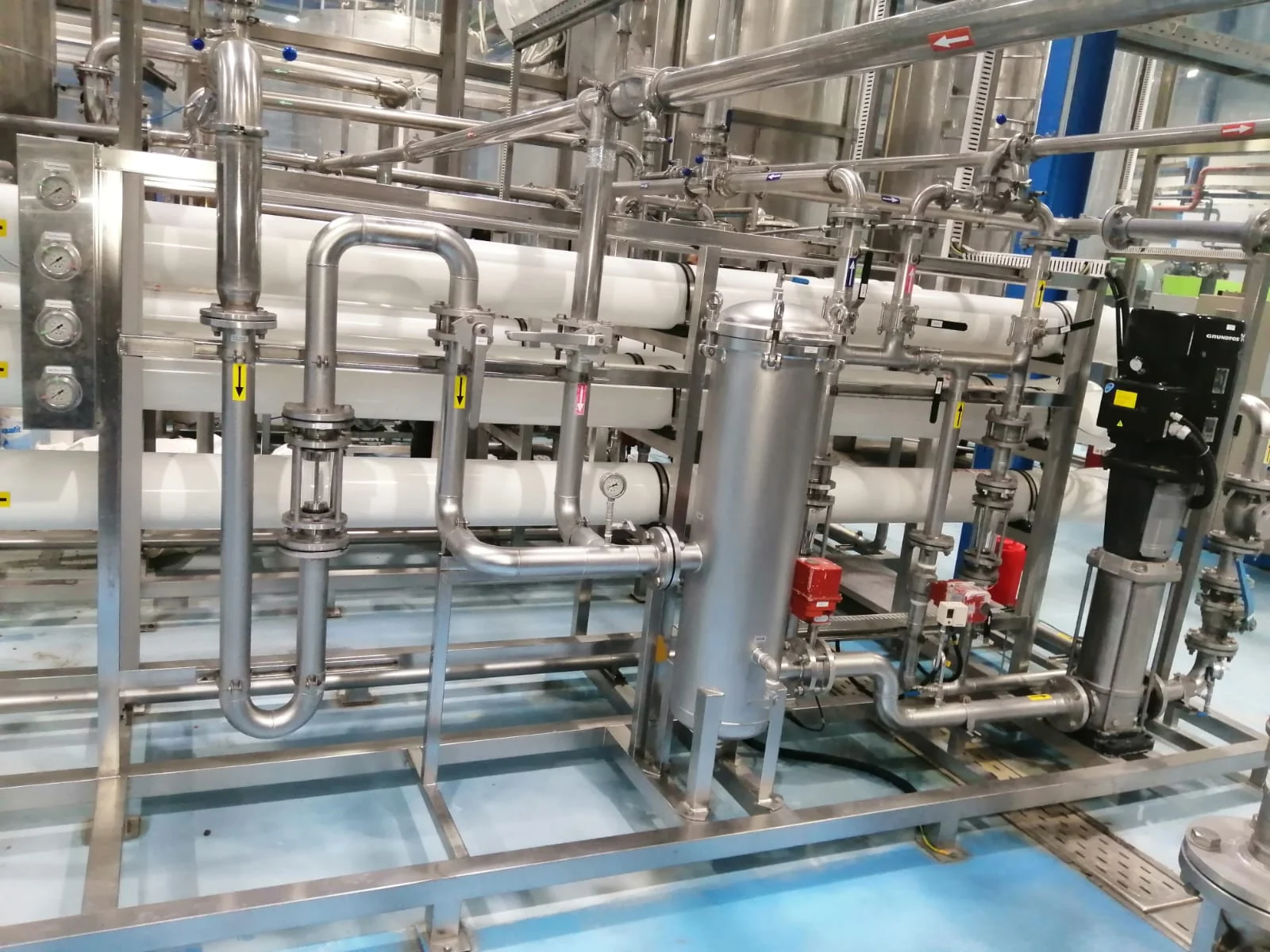
A system may include pumps, filters, tanks, membranes, control panels, pressure and flow instruments, and disinfection equipment. Stages and components are specified according to water characteristics, required capacity and application requirements.
Applications
The guide covers drinking water, wells, factories, hotels, hospitals, farms and desalination systems. Appropriate treatment can help reduce deposits and corrosion and protect equipment; water quality must be verified against the requirements of the intended use.
How is a system selected
- Analyze the water source, salinity and contaminants.
- Define the required water volume and intended use.
- Review installation space, components and operation and maintenance requirements.
Maintenance and monitoring
Maintenance includes replacing filters and consumables according to condition, monitoring membranes, pressure and flow, and checking tanks and electrical connections. Intervals should reflect operating hours, water conditions and equipment recommendations.